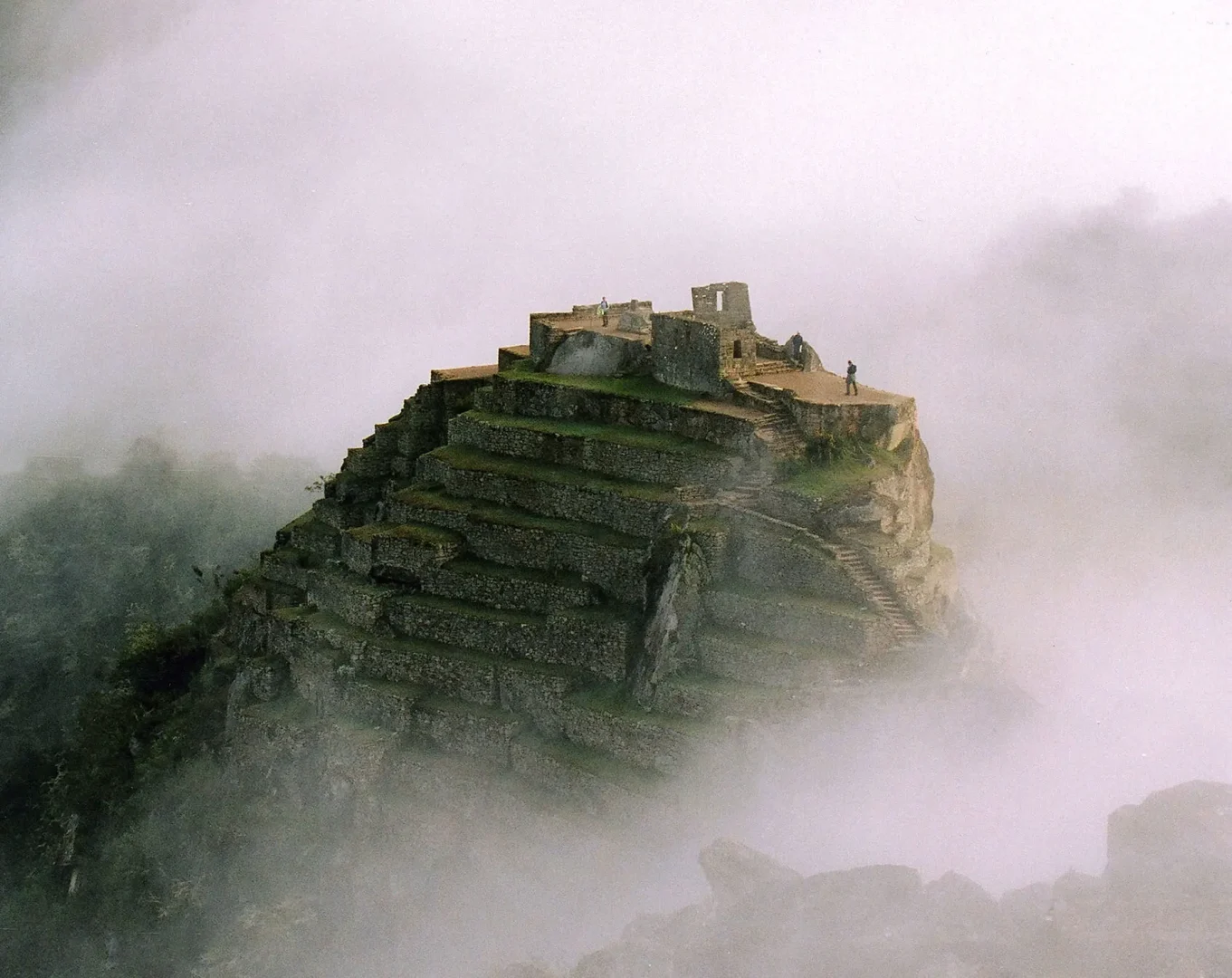
Discover everything you need to know about the legendary Inca Trail, the most iconic trek to Machu Picchu.
There are three main ways to reach Machu Picchu: the classic train ride, the alternative Hydroelectric route, and the legendary Inca Trail. The Inca Trail is widely considered the most breathtaking and rewarding option. Over 4 days and 3 nights, you’ll hike 39 kilometers along ancient stone paths built by the Incas, passing through majestic mountains, archaeological ruins, and cloud forests. The journey ends at Intipunku, the Sun Gate — the original entrance to Machu Picchu, accessible only to those who hike this route. In our Complete Inca Trail Guide, you’ll find everything you need to plan and enjoy this unforgettable adventure.
Limited Spots Available!
Ready for the adventure of a lifetime?
Experience the legendary Inca Trail to Machu Picchu.
The Inca Trail to Machu Picchu is Peru’s most legendary trek—and one of the top hiking routes in the world. What makes it so extraordinary? It follows ancient paths built by the Incas, taking you through breathtaking Andean scenery: towering mountains, snow-capped peaks, lush cloud forests, and rich biodiversity. The ultimate reward: entering Machu Picchu through the Sun Gate (Intipunku). This epic mix of history, nature, and adventure makes the Inca Trail a once-in-a-lifetime experience.
Only 500 permits are issued each day for the Inca Trail. Of those, just 200 are for travelers, while the rest are allocated to guides, porters, chefs, and support staff.
That’s why it’s highly recommended to book your Inca Trail tour 6 to 7 months in advance.
Want to check availability? Contact us today!
he Inca Trail follows part of the ancient Inca road network known as the Qhapaq Ñan.
Along the way, you’ll explore fascinating archaeological sites like Llactapata, Sayacmarca, Phuyupatamarca, Wiñayhuayna, and of course, the iconic Machu Picchu.
Interested in hiking the Inca Trail but not sure what to expect?
Discover all the essential details and tips to plan your trek on one of the most iconic hiking routes in the world.
View the real-time availability calendar for the Inca Trail. The data is constantly updated, helping you plan your trek to Machu Picchu in advance with confidence.
The Incas built over 30,000 km of roads known as the Qhapaq Ñan, connecting Cusco with every corner of their vast empire. A sacred portion of this network leads directly to Machu Picchu, offering modern travelers a chance to walk in the footsteps of ancient Inca messengers. Today, you can choose between two official routes: the classic 4-day trek or the shorter 2-day version.
What You’ll See:
Trail Info:
What You’ll See:
Trail Info:
The classic 4-day Inca Trail through the Qhapaq Ñan is the only trek that grants access to ancient archaeological sites hidden deep in the Andes. This unforgettable journey combines dramatic mountain landscapes, lush Andean vegetation, and unique Peruvian wildlife, ending with a breathtaking arrival at Machu Picchu.
Hike from 4,200 m to 2,040 m above sea level through high Andean peaks, misty cloud forests, and lush valleys of the Cusco region.
Just before reaching Machu Picchu, you’ll visit Wiñayhuayna, a stunning archaeological site known for its beauty and tranquil setting, often compared to Machu Picchu itself.
The trail is home to the elusive Andean spectacled bear, recognizable by its distinctive facial markings. Though rare, spotting one in the wild is a magical moment.
After 39 kilometers of trekking, your reward is the first panoramic view of Machu Picchu from Intipunku – the ancient entryway used by Inca messengers. A once-in-a-lifetime experience.
The Inca Trail to Machu Picchu is one of South America’s most legendary treks. But before you embark on this epic journey, there are important details to consider—when to go, what to pack, what rules apply, and more. Here’s everything you need to prepare for an unforgettable hike through ancient Inca history.
Dry Season (April to October):
This is the most recommended time for trekking. Clear skies and sunny days offer the best photo opportunities and visibility. May to July are the driest months, though nights can get quite cold.
Rainy Season (November to March):
Expect more rain, especially in January and February. While some travelers avoid it, others appreciate the lush green landscapes. Trails can be slippery, so caution is advised.
Trail Closure in February:
The trail is closed every February for maintenance. During this month, consider alternatives like Lares Trek, Huchuy Qosqo, or Choquequirao.

Only 500 spots are available per day, including guides and porters. Be sure to book at least 6–7 months in advance to secure your spot on this world-famous trail.
You’ll sleep at Huayllabamba, Pacaymayo, and Wiñayhuayna (or Phuyupatamarca). These campsites are selected for safety and natural beauty, and all licensed tour operators provide full camping equipment and meals.
To protect this World Heritage Site, it’s strictly forbidden to damage archaeological remains or carry drones, weapons, knives, or flammable materials. Respecting the trail ensures its preservation for future generations.
The final day of the trek ends with your arrival at Machu Picchu through Intipunku, the original Sun Gate used by the Incas. This moment offers a breathtaking panoramic view of the ancient citadel—truly unforgettable.
Carry a backpack of no more than 5 kg. Include: sleeping bag, trekking poles, water, snacks, layered clothing, toiletries, sunscreen, insect repellent, and personal medications.